Drywall Repair: How to Fix Holes, Textured Ceilings, and Popcorn Ceilings
Simple tips for drywall repair, fixing textured ceilings, and working with popcorn ceilings that anyone can follow.
repairpatchdrywallpopcorndiy
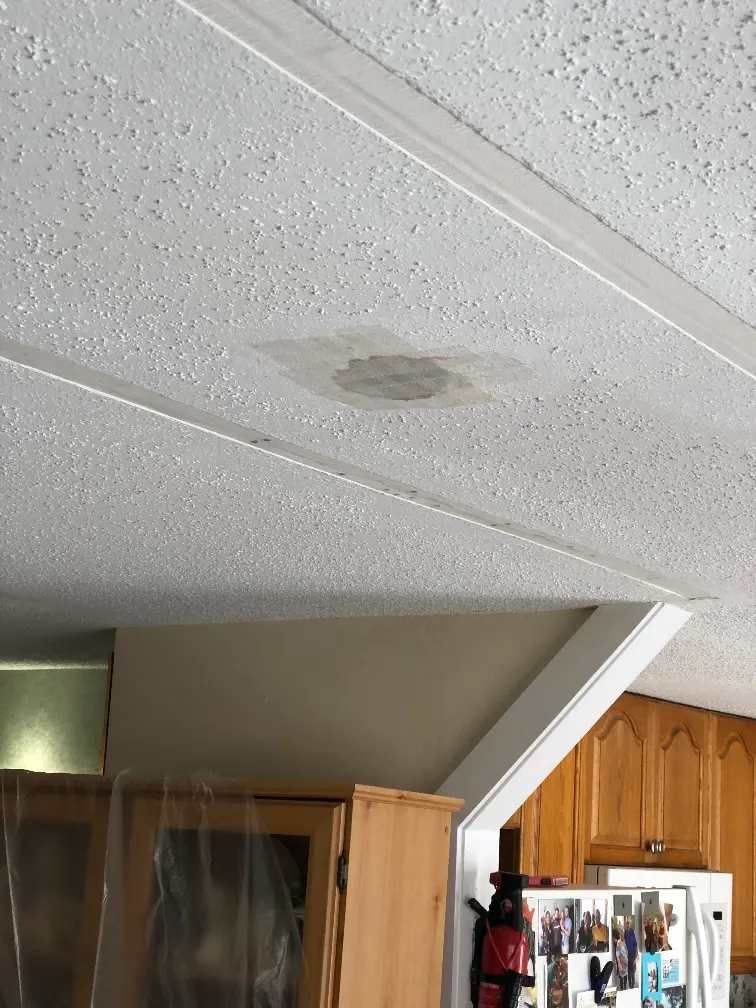
Simple tips for drywall repair, fixing textured ceilings, and working with popcorn ceilings that anyone can follow.
If you have holes in your walls or ceilings that look bad, you are not alone. Many homes have drywall damage at some point. The good news is that drywall repair is something most people can learn to do. Whether you need to patch a small hole, fix a textured ceiling, or work on a popcorn ceiling, this guide will walk you through it step by step.
Drywall is the flat board that makes up most walls and ceilings in modern homes. It is made of a soft material called gypsum pressed between two sheets of thick paper. Drywall is great because it goes up fast and costs less than other wall types. But it can get damaged easily.
Some common causes of drywall damage include doorknobs hitting the wall, moving furniture, water leaks, and nails or screws being pulled out. Kids and pets can also cause holes. Over time, normal wear and tear will leave marks, cracks, and dents that need drywall repair.
Fixing a small hole in drywall is not hard. Here is what you need to do:
For bigger holes, you will need to cut a piece of new drywall to fill the gap. You can hold it in place with a small piece of wood behind the hole. Then follow the same steps with joint compound, sanding, and paint.
A textured ceiling has a rough or bumpy surface on purpose. Some people like the way it looks. Others think it is outdated. Textured ceilings were popular because they hide flaws in the drywall underneath. But when you need to do drywall repair on a textured ceiling, things get a bit tricky.
The hard part is matching the texture. If you just patch a hole and paint it, the smooth spot will stand out. You have to add texture to the patch to make it blend in. Here are some tips:
A popcorn ceiling is a type of textured ceiling that looks like small bumps of cottage cheese or popcorn stuck to the surface. This style was very common in homes built from the 1950s through the 1980s. Some people still call it an acoustic ceiling because the texture helps reduce noise in a room.
There are a few reasons popcorn ceilings are a concern today:
If you need to do drywall repair on a popcorn ceiling, here are your options:
No matter which method you choose, always wear safety glasses and a mask. If there is any chance of asbestos, hire a pro to handle it.
Here are some helpful tips to make your drywall repair look great:
Some drywall repair jobs are too big or too hard to do on your own. You should call a professional if:
A pro will have the right tools and skills to make the repair look like it was never there. It may cost more, but it saves you time and stress.
Drywall repair is a useful skill for any homeowner. Small holes and cracks can be fixed with basic tools and a little patience. Textured ceilings and popcorn ceilings add a layer of challenge, but with the right approach, you can make repairs that look good. Whether you do it yourself or hire someone, keeping your walls and ceilings in good shape will make your home look better and hold its value over time.
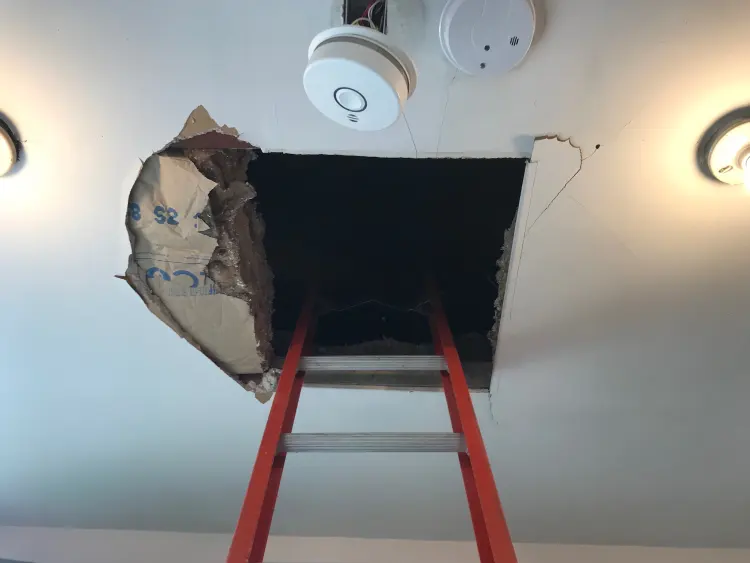
A simple guide to patching drywall and keeping your fire rated walls safe