Drywall Repair Patch: How to Fix Holes in Fire Rated Drywall
A simple guide to patching drywall and keeping your fire rated walls safe
repairpatchdrywalldiyfire rated
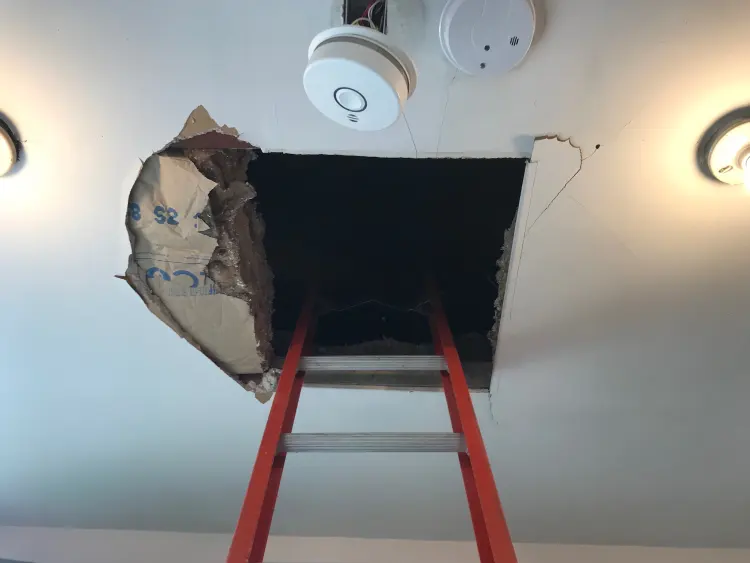
A simple guide to patching drywall and keeping your fire rated walls safe
A drywall repair patch is a simple piece of mesh tape with a thin metal structure used to cover holes in your walls. When a wall gets a hole or a big dent, you can use a metal drywall patch to repair the drywall hole to make it look new again. Drywall patches come in different sizes and shapes. Some are made of thin metal, and some are made of drywall material. The goal is to fill the gap so your wall looks smooth and flat once more.
Home owners often need a drywall repair patch after moving furniture, hanging shelves, or fixing a leak. Kids and pets can also cause damage to walls. No matter how the hole happened, a good patch will hide it well. Learning this skill can save you a lot of money on repair bills.
Fire rated drywall is a special type of wall panel that is rated by UL to slow down the spread of fire. It is also called Type X drywall or type C drywall. This kind of drywall is thicker than regular drywall and has special materials inside, like glass fibers. These fibers help the wall stand strong when exposed to high heat. Type X is 5/9" thick instead of 1/2". Shaft Liner drywall is a type not found in homes. It is only 24" wide and much thicker and heavier. Type C drywall is used in commercial buildings and is rated for 3 hours.
Builders use fire rated drywall in places where fire safety is very important. You will often find it in garages, near furnaces, and between units in apartment buildings. Building codes in many areas require fire rated drywall in these spots. Using the right drywall can give people more time to get out safely if a fire starts.
Fire rated type X drywall can slow a fire by 45 minutes to one hour. That extra time can save lives and reduce damage. It also helps meet local building codes, so your home passes inspection. If you are doing any work on walls in a garage or near a heat source, check if fire rated drywall is needed.
Patching fire rated drywall is a bit different from patching regular walls. You must use the same type of drywall and follow the right steps to keep the fire rating in place. Here is a clear step by step guide to get the job done right.
First, clean up the area around the hole. Remove any loose bits of drywall or paper. Use a utility knife to make the edges of the hole straight and neat. A clean hole is easier to patch and will give you a better result. Wear gloves and safety glasses to protect yourself.
Next, cut a piece of fire rated drywall to fit the hole. The patch should be the same fire rating and thickness as the wall you are fixing. For a small hole, you can cut a square piece that is slightly bigger than the damage. For a larger hole, you may need to cut out a section between the wall studs and fit in a new piece.
Place your drywall repair patch into the hole. If the hole is small, you can apply joint compound to glue it into the opening. For bigger holes, use drywall screws to hold the new piece in place. Make sure the patch sits flush with the wall. It should not stick out or sink in.
Spread joint compound over the patch and the seams. Use a putty knife to press it in and make it smooth. Let the first coat dry fully. Then, add a second coat and feather the edges so it blends with the wall. You may need a third coat for the best finish. Sand lightly between coats.
Once the joint compound is dry, sand the area until it is smooth. Wipe away the dust with a damp cloth. Then, prime and paint the patched area to match the rest of the wall. A good paint job will make the drywall repair patch blend in so well that no one can tell it was ever there
Getting a clean and strong drywall repair patch takes a bit of practice. Here are some tips to help you get the best results every time.
If the surrounding wall has a heavy paint roller texture you might have to skim coat the wall so it is all smooth. Skipping skim coating on these walls with texture will cause your patch to stick out by being much smoother that the rest.
Many people make the same errors when doing a drywall repair patch. Avoiding these mistakes will save you time and frustration.
Some drywall repairs are easy to do on your own. But there are times when you should call a pro. If the hole is very large, if the wall has water damage, or if you are not sure about fire rated drywall rules in your area, a professional can help. They have the tools and skills to make the repair look perfect and keep your wall safe.
Fire rated drywall must be installed and repaired the right way to work in a fire. A pro will know the local building codes and will use the correct materials. This gives you peace of mind that your home or building is truly protected.
A good drywall repair patch can make your walls look like new again. When you are working with fire rated drywall, it is important to use the right materials and follow each step with care. Fire rated drywall is a key part of keeping your home or building safe from fire. By taking the time to patch it the right way, you protect both the look and the safety of your walls.
Whether you do the work yourself or hire someone, knowing the basics will help you make smart choices. Keep this guide in mind the next time you need to fix a hole in your walls. A little effort goes a long way when it comes to drywall repair.
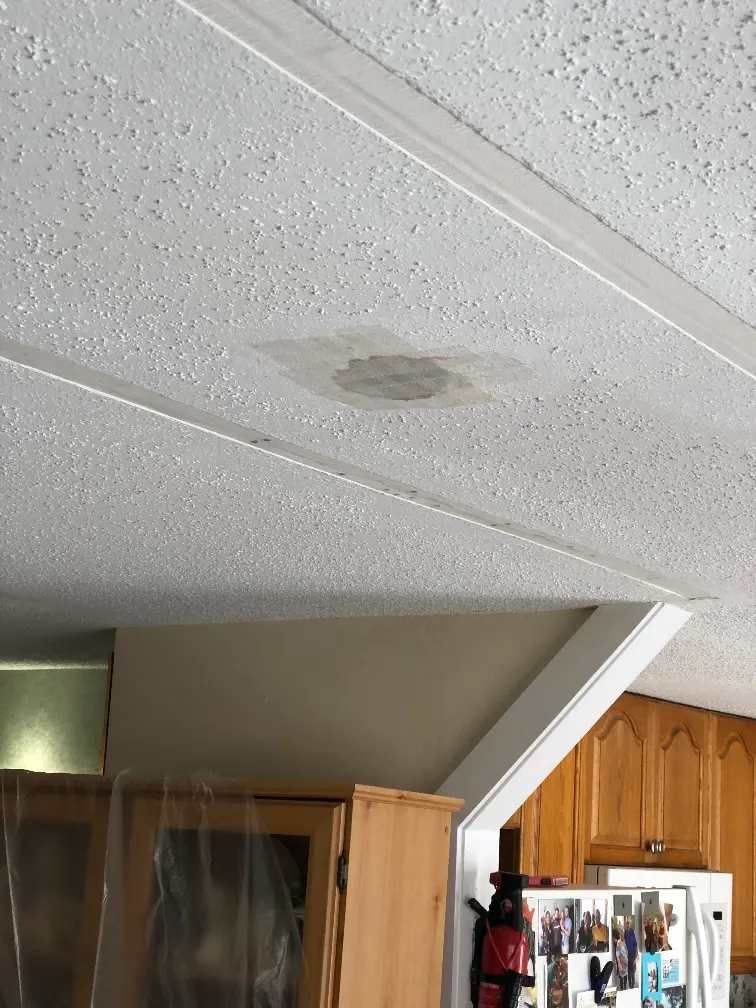
Simple tips for drywall repair, fixing textured ceilings, and working with popcorn ceilings that anyone can follow.

Jason is the owner of MrWalls Drywall & Painting and has worked as a wall and ceiling contractor for 25 years.
A simple guide to patching drywall and keeping your fire rated walls safe
A drywall repair patch is a simple fix used to cover holes and cracks in your walls. When a wall gets a hole or a dent, you can use a patch to make it look new again. Drywall patches come in different sizes and shapes. Some are made of thin metal, and some are made of drywall material. The goal is to fill the gap so your wall looks smooth and flat once more.
Home owners often need a drywall repair patch after moving furniture, hanging shelves, or fixing a leak. Kids and pets can also cause damage to walls. No matter how the hole happened, a good patch will hide it well. Learning this skill can save you a lot of money on repair bills.
Fire rated drywall is a special type of wall panel that slows down the spread of fire. It is also called Type X drywall. This kind of drywall is thicker than regular drywall and has extra materials inside, like glass fibers. These fibers help the wall stand strong when exposed to high heat.
Builders use fire rated drywall in places where fire safety is very important. You will often find it in garages, near furnaces, and between units in apartment buildings. Building codes in many areas require fire rated drywall in these spots. Using the right drywall can give people more time to get out safely if a fire starts.
Fire rated drywall can slow a fire by 45 minutes to one hour. That extra time can save lives and reduce damage. It also helps meet local building codes, so your home passes inspection. If you are doing any work on walls in a garage or near a heat source, check if fire rated drywall is needed.
Patching fire rated drywall is a bit different from patching regular walls. You must use the same type of drywall and follow the right steps to keep the fire rating working. Here is a clear step by step guide to get the job done right.
First, clean up the area around the hole. Remove any loose bits of drywall or paper. Use a utility knife to make the edges of the hole straight and neat. A clean hole is easier to patch and will give you a better result. Wear gloves and safety glasses to protect yourself.
Next, cut a piece of fire rated drywall to fit the hole. The patch should be the same thickness as the wall you are fixing. For a small hole, you can cut a square piece that is slightly bigger than the damage. For a larger hole, you may need to cut out a section between the wall studs and fit in a new piece.
Place your drywall repair patch into the hole. If the hole is small, you can use a self-adhesive mesh patch. For bigger holes, use drywall screws to hold the new piece in place. Make sure the patch sits flush with the wall. It should not stick out or sink in.
Spread joint compound over the patch and the seams. Use a putty knife to press it in and make it smooth. Let the first coat dry fully. Then, add a second coat and feather the edges so it blends with the wall. You may need a third coat for the best finish. Sand lightly between coats.
Once the joint compound is dry, sand the area until it is smooth. Wipe away the dust with a damp cloth. Then, prime and paint the patched area to match the rest of the wall. A good paint job will make the drywall repair patch blend in so well that no one can tell it was ever there.
Getting a clean and strong drywall repair patch takes a bit of practice. Here are some tips to help you get the best results every time.
Many people make the same errors when doing a drywall repair patch. Avoiding these mistakes will save you time and frustration.
Some drywall repairs are easy to do on your own. But there are times when you should call a pro. If the hole is very large, if the wall has water damage, or if you are not sure about fire rated drywall rules in your area, a professional can help. They have the tools and skills to make the repair look perfect and keep your wall safe.
Fire rated drywall must be installed and repaired the right way to work in a fire. A pro will know the local building codes and will use the correct materials. This gives you peace of mind that your home or building is truly protected.
A good drywall repair patch can make your walls look like new again. When you are working with fire rated drywall, it is important to use the right materials and follow each step with care. Fire rated drywall is a key part of keeping your home or building safe from fire. By taking the time to patch it the right way, you protect both the look and the safety of your walls.
Whether you do the work yourself or hire someone, knowing the basics will help you make smart choices. Keep this guide in mind the next time you need to fix a hole in your walls. A little effort goes a long way when it comes to drywall repair.
Simple tips for drywall repair, fixing textured ceilings, and working with popcorn ceilings that anyone can follow.